Your resume is not only an application document. It is also the interview map. Most interview questions are hiding inside it already: the projects you mention, the gaps you show, the metrics you claim, the tools you list, and the job changes the interviewer wants to understand.
That means one of the simplest ways to prepare is to sit with your resume and interrogate it before anyone else does.

Read your resume like a stranger
Print it or open it in a clean view. Pretend you know nothing about yourself except what is on that page. What would you ask? Which bullet sounds impressive but unclear? Which job change needs context? Which skill might someone test? Which result needs a story behind it?
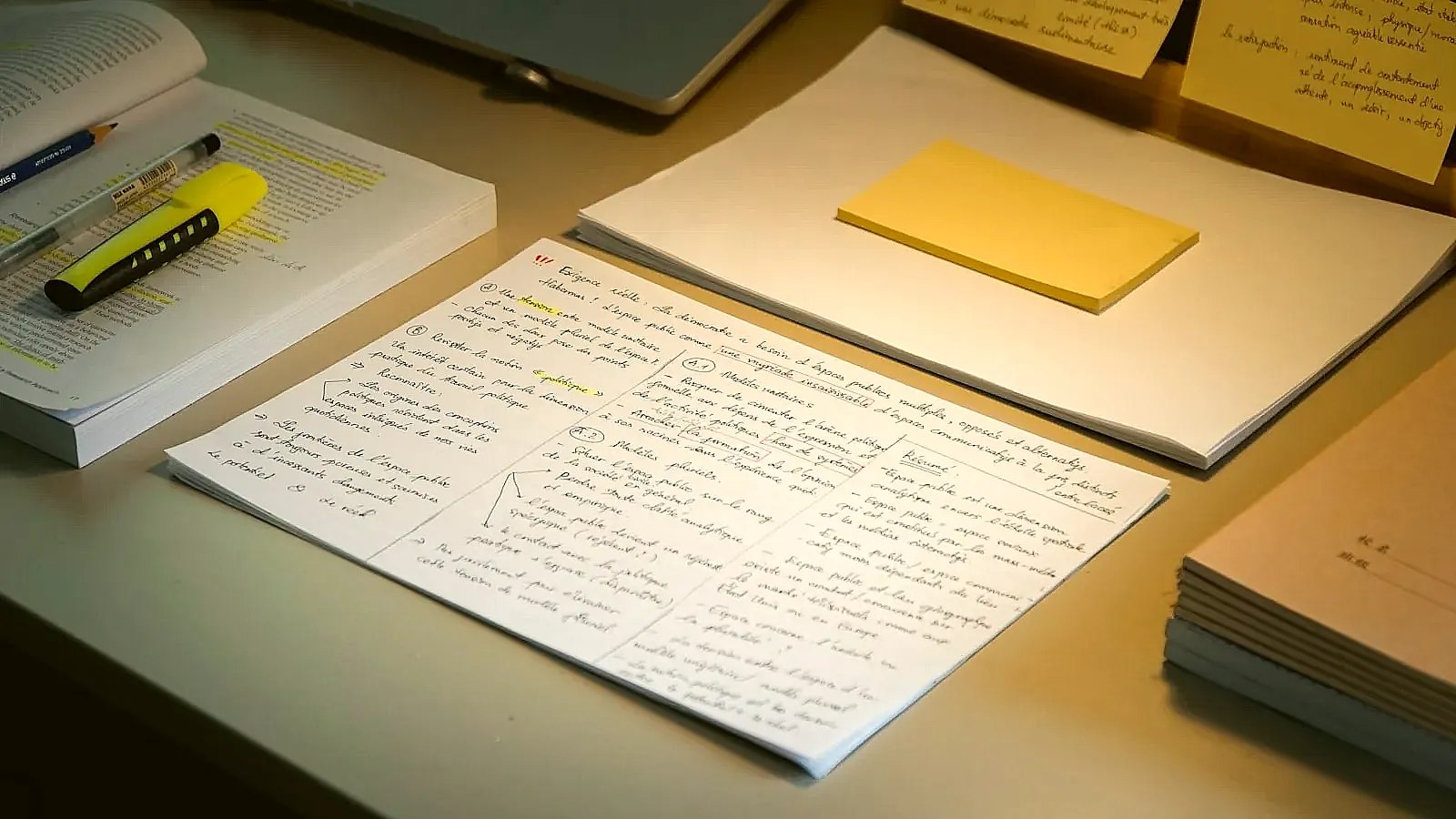
This exercise can feel uncomfortable, but it is useful. The goal is not to make the resume perfect. The goal is to remove surprises before the interview.
| Resume item | Likely interview question | What to prepare |
|---|---|---|
| A strong metric | How did you achieve that result? | The situation, your actions, and what changed. |
| A tool in skills | How have you used this tool? | One real example with enough detail. |
| A short role | Why did you leave? | A calm, factual explanation. |
| A leadership bullet | How did you handle conflict or accountability? | A specific story, not a general claim. |
| A career change | Why are you moving into this field? | A clear bridge from past work to target role. |
Build stories behind your best bullets
Choose five bullets from your resume and write the story behind each one. Do not memorize a script. Understand the story. What was the problem? Why did it matter? What did you personally do? What tools or people were involved? What was the result?
If a bullet cannot produce a story, it may be too vague. You can either improve the bullet or prepare to explain it better in the interview.
Prepare the uncomfortable questions
Most people prepare for the questions they want to answer. Strong candidates also prepare for the questions they hope nobody asks. Employment gaps, short stays, career changes, missing requirements, lower grades, unfinished degrees, layoffs, or role changes can all come up.
A good answer is brief, honest, and forward-moving. Do not spiral into defense. Give context, show what you learned or what changed, then return to the role.
Use your resume to predict technical checks
If you list Excel, be ready to explain what you built. If you list Salesforce, be ready to describe how you used it. If you list project management, be ready to talk about timelines, blockers, stakeholders, and tradeoffs. A skill on the resume is an invitation for a question.
- Circle every tool listed in your skills section.
- Write one example of how you used each tool.
- Remove tools you only recognize but cannot use.
- Prepare a beginner, intermediate, or advanced explanation honestly.
- Match examples to the job you are interviewing for.
Turn the summary into your opening answer
The resume summary can become the backbone of your answer to 'Tell me about yourself.' Do not repeat it word for word. Use it as the structure: who you are professionally, what experience matters most, and why this role is the next logical step.
If your resume already has strong bullets, use How to Turn Resume Bullets Into Interview Stories to turn them into interview answers. If the bullets are weak, Resume Bullet Rewriter can help you sharpen them before the interview.
The one-page prep sheet
- Write your three strongest achievements.
- Write your three most likely difficult questions.
- Write one story for each major resume section.
- List tools or skills you may be asked to explain.
- Write your reason for wanting this specific role.
Bring the thinking into the interview even if you do not bring the sheet. You will sound calmer because you have already walked through the page from the interviewer's side.
Mark the claims that need evidence
Words like led, improved, reduced, managed, increased, trained, and built are useful, but they invite follow-up questions. For every strong verb, prepare the evidence behind it. Who was involved? What was the starting point? How did you know it improved? What would your manager say you contributed?
This does not mean every answer needs a statistic. Sometimes the evidence is a process, a decision, a difficult conversation, or a change in how the team worked. What matters is that you can explain the claim without sounding surprised by your own resume.
Prepare one story that shows judgment
Interviewers are not only checking whether you did tasks. They are checking judgment. Choose one story where you had to prioritize, push back, clarify a messy request, or make a tradeoff. Those stories often reveal more than perfect success stories because they show how you think when the work is not simple.
This method also helps with confidence because it changes preparation from vague studying into specific review. You are not trying to predict every possible question. You are preparing for the questions your own resume naturally creates, which is a much smaller and more useful task.
Quick questions
Should I memorize interview answers from my resume?
No. Prepare the story and key points, but keep the answer conversational.
How many resume stories should I prepare?
Five strong stories are enough for most interviews if they cover results, challenge, teamwork, conflict, and learning.
What if my resume has a weakness?
Prepare a short explanation and redirect to what you can do now. Do not overexplain unless the interviewer asks for more.
Useful next steps
Your resume can become an interview map if you know where the questions are likely to come from. The next guides help you turn bullets into stories, prepare for red flags, and explain weak spots without losing confidence.
Use them before a real interview, not after. A little preparation makes your answers sound calmer and more specific.