The difference between a CV and a resume confuses people more than it should, mostly because the answer changes depending on where you live and what industry you work in. If you are in the United States applying for a corporate job, "resume" is the right word. If you are in the UK applying for the same type of job, "CV" is the right word. You are usually talking about the same document.
But sometimes you are not. And that is where it gets interesting.
The geographic split
In the United States and Canada, the convention is straightforward:

- A resume is a 1-2 page document summarizing your work experience, skills, and education for a specific job application.
- A CV (curriculum vitae) is a longer, comprehensive document used primarily in academia, medicine, and scientific research. It lists publications, teaching experience, grants, presentations, and research - and can run 5-10+ pages.
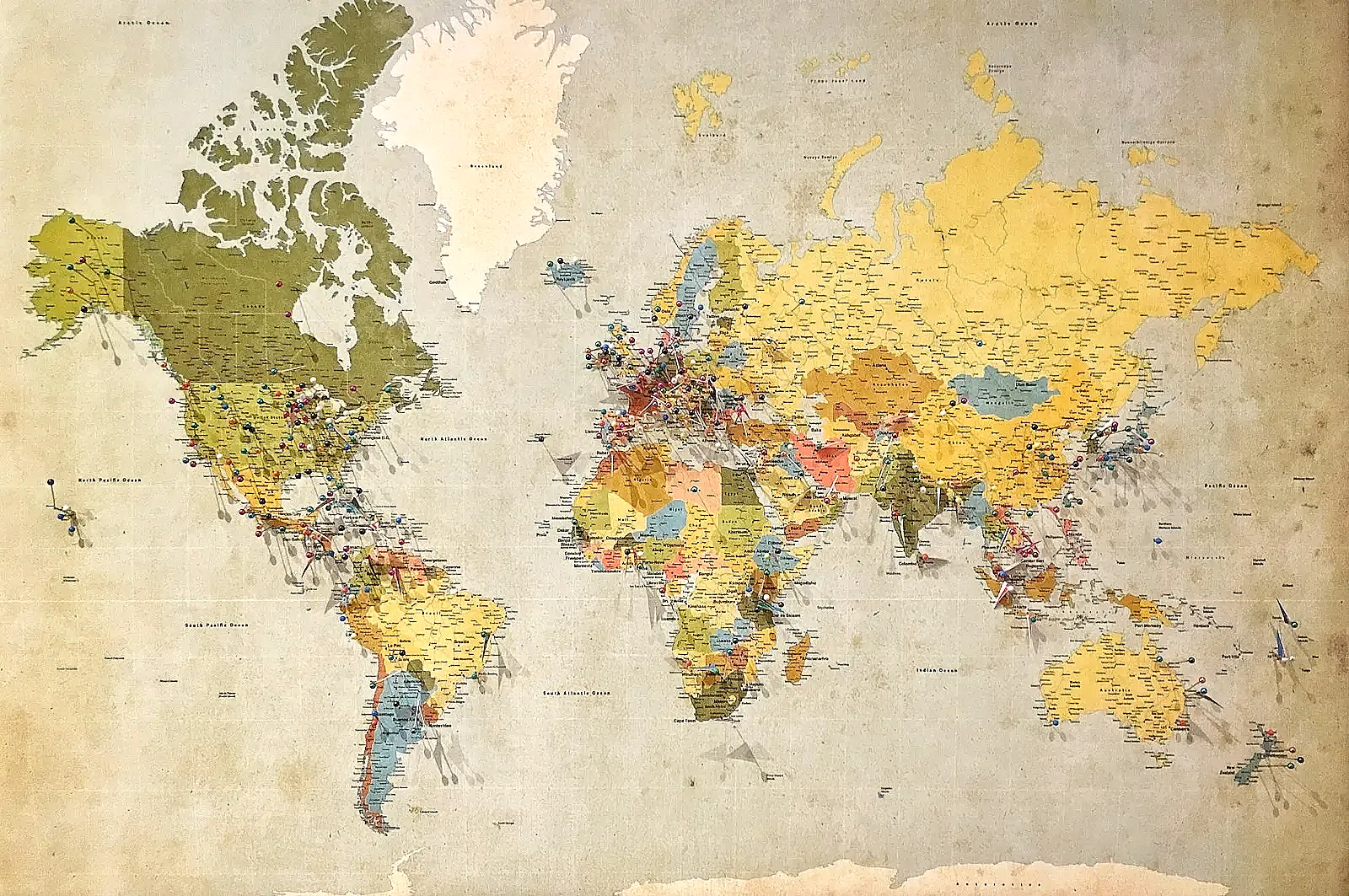
In the UK, Ireland, Australia, New Zealand, South Africa, and most of Europe, "CV" means what Americans call a "resume" - a short document for job applications. The long academic document is called an "academic CV" or simply a longer CV.
In the Middle East, South Asia, and parts of Africa, both terms are used interchangeably, and some employers add their own preferences. When in doubt, read the job posting - it usually tells you what to submit.
| Region | Short job application doc is called | Long academic doc is called |
|---|---|---|
| United States, Canada | Resume | CV / Curriculum Vitae |
| UK, Ireland, Australia, NZ | CV | Academic CV |
| Most of Europe | CV (sometimes Lebenslauf, CV, résumé) | Academic CV |
| Middle East, South Asia | CV or resume (used interchangeably) | Full CV |
When the distinction genuinely matters
For most job seekers applying to corporate, government, or non-profit roles, the distinction is purely cosmetic. Whether you title the file "resume" or "CV," the content expectations are the same: a concise, tailored document highlighting your relevant experience and skills.
The distinction becomes real in three situations:
- Academic positions in North America. A professor applying for a faculty position at a U.S. university needs an academic CV - multiple pages covering publications, conferences, teaching history, grants, and committee service. Submitting a one-page resume would signal a misunderstanding of the role.
- Medical and scientific roles. Similar to academia, medical and research positions often require a detailed CV listing publications, clinical rotations, board certifications, and research affiliations.
- International applications. If you are applying across borders, match the local convention. A British employer asking for a CV wants a 1-2 page document. An American employer asking for a CV (rare outside academia) wants the long version.
What an academic CV includes that a resume does not
- Publications (peer-reviewed articles, chapters, books)
- Conference presentations and invited talks
- Research grants - awarded and pending
- Teaching history with courses taught
- Committee service and professional memberships
- Peer review and editorial roles
- Dissertations and theses supervised
This level of detail is appropriate for academic contexts. For industry roles, it would be overwhelming. Know your audience.
Practical advice if you are unsure
- Read the job posting. It will usually say "submit a resume" or "submit a CV." Follow those instructions literally.
- If the posting does not specify, match the regional convention for your target market.
- If you are applying internationally, research the local expectation. A quick search for "[country] CV format" will usually tell you what employers expect.
- When in genuine doubt, a 1-2 page document with a summary, experience, skills, and education covers you in most situations.
Does the naming affect ATS processing?
No. Applicant tracking systems do not care whether your file is named "resume" or "CV." They care about the content, format, and structure. Whether you call it a CV or a resume, the same ATS-friendly formatting principles apply - single-column layout, standard section headings, text-based content. Our ATS-friendly resume guide covers those principles in detail.
For format and layout guidance that works regardless of what you call the document, check the best resume format for ATS page. If you are coming back to the job market after a long break, the updating your CV after years guide walks through the modernization process step by step.
Trusted external resources
- UC Davis - CV vs resume differences for international applicants
- Europass - European CV format builder
Useful next steps
Whether you call it a CV or a resume, the formatting principles are the same. These guides cover the practical side - choosing a layout, updating an old document, and building a resume when you are just starting out.
- Best Resume Format for ATS
- How to Update Your CV After Years Away
- Resume With No Experience
- Resume Templates
Frequently Asked Questions
Can I use "CV" when applying in the United States?
In the U.S., "CV" typically means the long academic document. If you are applying for a non-academic role and calling your 1-page document a "CV," it will not disqualify you - but using "resume" is the standard convention.
Is a Europass CV required in Europe?
The Europass format is widely recognized in EU countries but not universally required. Some employers prefer it for its standardized structure; others accept any professional format. Check the posting or the company's career page for guidance.
Should I include a photo on a CV?
It depends on the country. Photos are expected in Germany, France, and parts of Asia. They are discouraged in the US, UK, Canada, and Australia due to anti-discrimination practices. Always follow local conventions.